
I remember a time when the in-game store was a portal of anticipation. Each weekly rotation felt like a curated gallery, a promise of something that could become a part of my legend's identity. Now, in 2026, I find myself standing before a digital mirror, and the reflection is a kaleidoscope of déjà vu. The vibrant world of Apex Legends, once a canvas for Respawn's boundless creativity, now feels like it's being painted over with the same familiar hues, just rearranged. Where did the soul of our cosmetics go? Have we, the players, simply become collectors of palettes swapped?
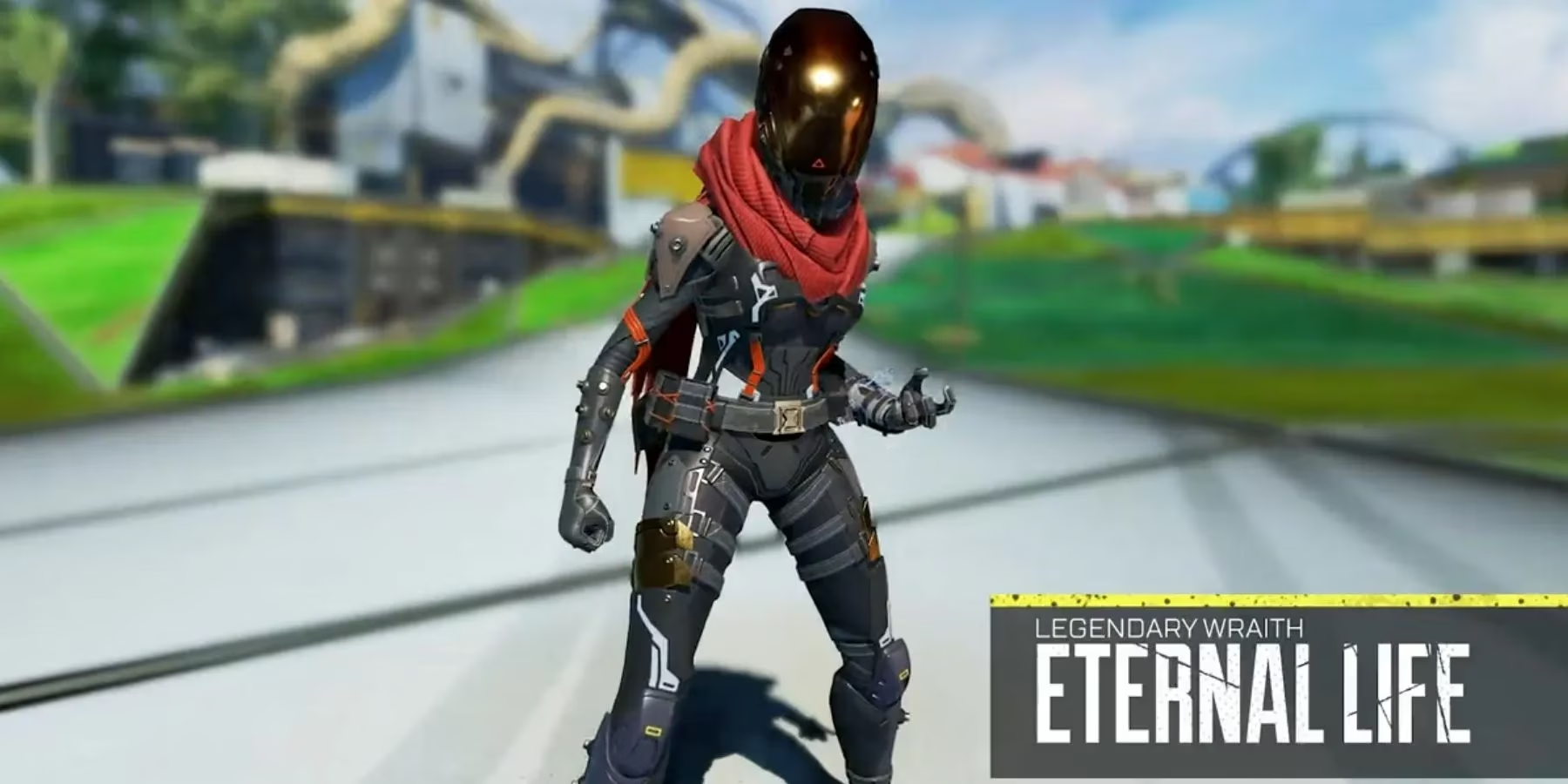
The Original Promise: A Fair Exchange of Effort for Elegance
In the beginning, the system was a beautiful, almost poetic, cycle of reward. I would pour hours into the Outlands, watching my account level climb, each milestone a gift-wrapped mystery—an Apex Pack. The thrill of the unknown! Would it be the legendary skin for my main, or perhaps the crafting metals to finally forge it myself? This was a game that respected my time. Owning an original legendary skin felt like an achievement, a trophy. And the best part? It granted me access to its recolored siblings through Legend Tokens, the currency earned simply by playing. The store's "Featured" section was a weekly rendezvous, a chance to see a favorite outfit in a new light. I remember saving my tokens for weeks, waiting for that perfect recolor of Pathfinder's "Model P" to swing back into the shop. It felt fair. It felt earned.
The Original Skin Economy (A Simpler Time):
| Element | How to Obtain | Player Sentiment |
|---|---|---|
| Original Legendary Skins | Apex Packs (earned or bought) / Crafting Metals | "A prize, a core part of my collection." |
| Recolors (Featured) | Legend Tokens (FREE, if you owned the original) | "A rewarding bonus for my loyalty." |
| Crafting Metals | Apex Packs / Battle Pass | "My path to agency, my choice." |
| Apex Packs | Leveling Up / Purchased | "The heartbeat of progression and surprise." |
This system wasn't just about cosmetics; it was a rhythm that kept the game's heart beating. Logging in each week wasn't a chore—it was an event. What new color would grace the store today?
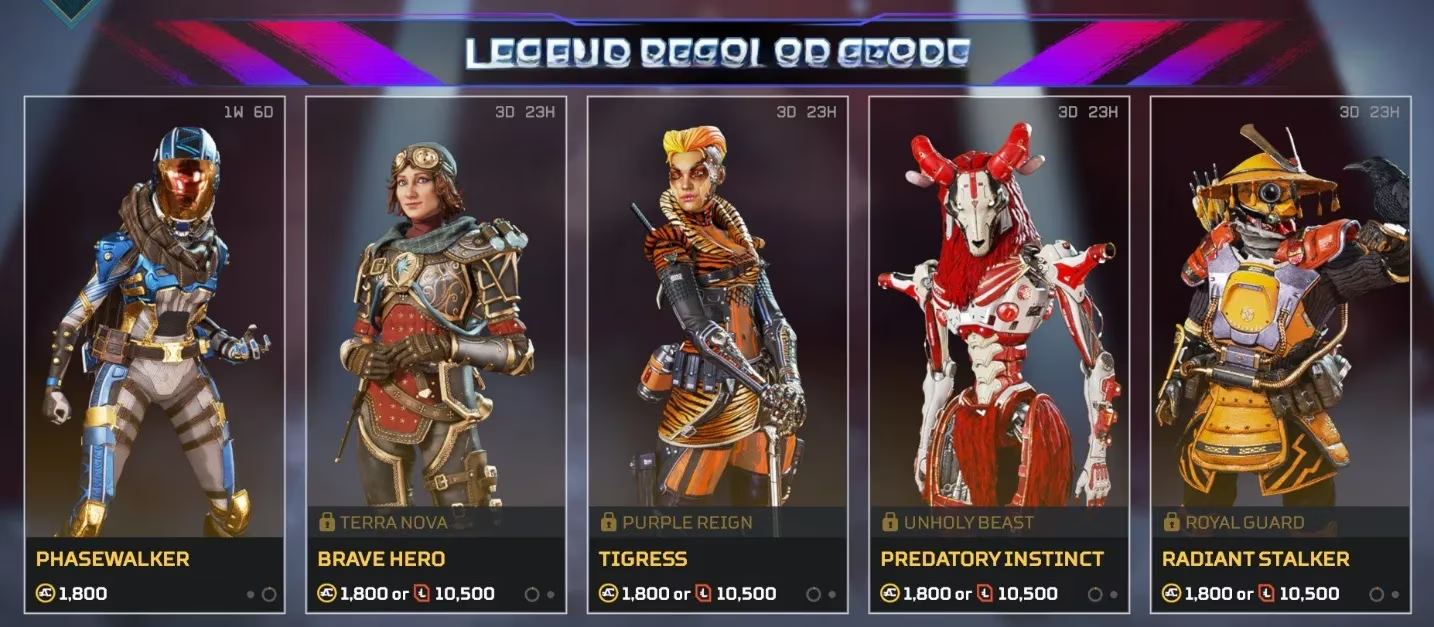
The Shift: When Palettes Became Price Tags
But slowly, the melody changed. The "Specials" tab, once an occasional treat, began its relentless, almost weekly parade. And what did it parade? Recolors, yes, but not the kind I could buy with my hard-earned tokens. These were ghosts of cosmetics past—skins that had had their moment in the sun during exclusive Battle Passes or limited-time events. Now, they were back, wearing a slightly different shade, and shackled to a premium price tag.
Is it creative to take what was once a reward for dedication (the Battle Pass) and sell its echo for direct cash? The developers and EA seem to think so. These recolors are no longer accessible variants; they are FOMO-driven commodities. They arrive bundled with Apex Packs I don't need, or worse, as mandatory stepping stones in a Collection Event. Remember the Wintertide event? To walk the path toward Wraith's coveted "Apex Voidshifter" mythic skin, I was forced to purchase a gauntlet of recolors I never wanted. My choice was stolen, replaced with a transactional tollbooth on the road to the content I truly desired.
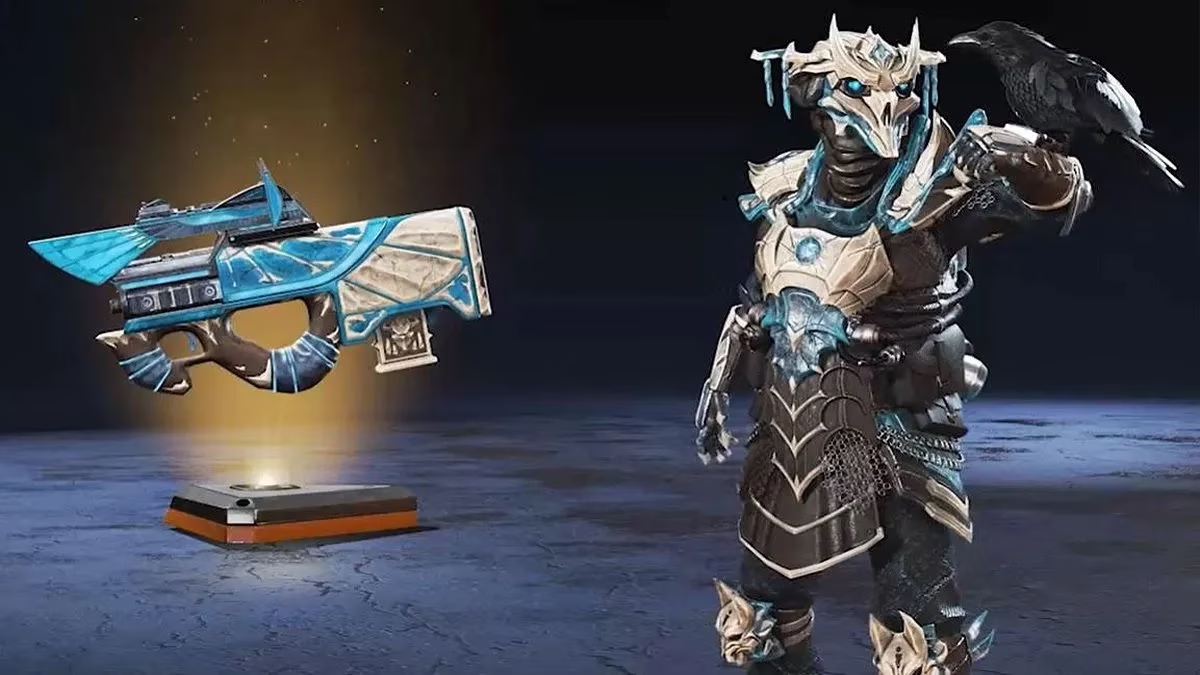
The Hollow Reflection: A Store Full of Echoes
So here we are in 2026. The storefront, which should be a showcase of the game's evolving artistic spirit, feels like a museum of repetitions. The message it projects is painfully clear: minimal effort, maximum return. The luster of a new collection event is now dulled by the predictable sight of recolored filler. Where are the wholly new concepts, the skins that tell a fresh story about my favorite Legends? Have the tales of the Outlands run dry, leaving only color swatches to be rearranged?
This practice does more than just disappoint; it erodes trust. It transforms excitement into cynicism. I no longer wonder, "What amazing new cosmetic will they reveal?" Instead, I ask, "Which old skin are they going to repaint and resell this time?" The symbiotic relationship between player engagement and rewarding creativity has been broken. We log in not out of eager anticipation, but out of habit, or worse, a resigned acceptance of the monetization treadmill.
The Current State of Affairs (The Echo Chamber):
-
🔴 Recolors as Gatekeepers: Need a mythic? Buy these 6 recolors first.
-
🔴 Artificial Scarcity: "Limited-time" tags on repurposed content to drive panic buys.
-
🔴 Bundled Bloat: Forced purchases of Apex Packs to "justify" a high price for a simple recolor.
-
🔴 Erosion of Value: Original skins feel less special when their recolors are constantly hawked in cash-only bundles.
-
🟢 (The Fading Silver Lining) Original skins remain in the permanent loot pool... for now.
A Plea for the Palette of Innovation
Apex Legends is more than a game to me; it's a world I chose to inhabit. The legends are my avatars, and their cosmetics are the armor and attire of my digital self. I want that self to be expressed through artistry, not accounting. As the game moves forward, my hope—my plea—is for a return to the philosophy that made its early years so magical. Let the store surprise us again. Let creativity, not convenience, dictate the cosmetic landscape. Give us skins that are stories, not just swatches. After all, aren't we, the players, worthy of more than just an endless echo of the same colors, just in a different order? The Outlands deserve a painter, not a photocopier.
As reported by UNESCO Games in Education, games are often discussed not just as entertainment products but as designed systems that shape motivation and engagement—an angle that helps frame why Apex Legends’ shift from token-based recolor rewards to premium, time-limited recolor bundles can feel like a move from “earned expression” to “engineered urgency,” altering how players perceive fairness, agency, and long-term trust in the cosmetic economy.